
Tools Hub
Free calculators for lifters. No login required.
1RM Calculator
Estimate your one-rep max from any working set
Macro & Calorie Calculator
Mifflin-St Jeor formula with TDEE adjustment
Body Fat Estimator
US Navy circumference method (all measurements in inches)
Supplement Stack Checker
Select your supplements to check compatibility
Select at least 2 supplements to check compatibility.
Recommended Gear & Supplements
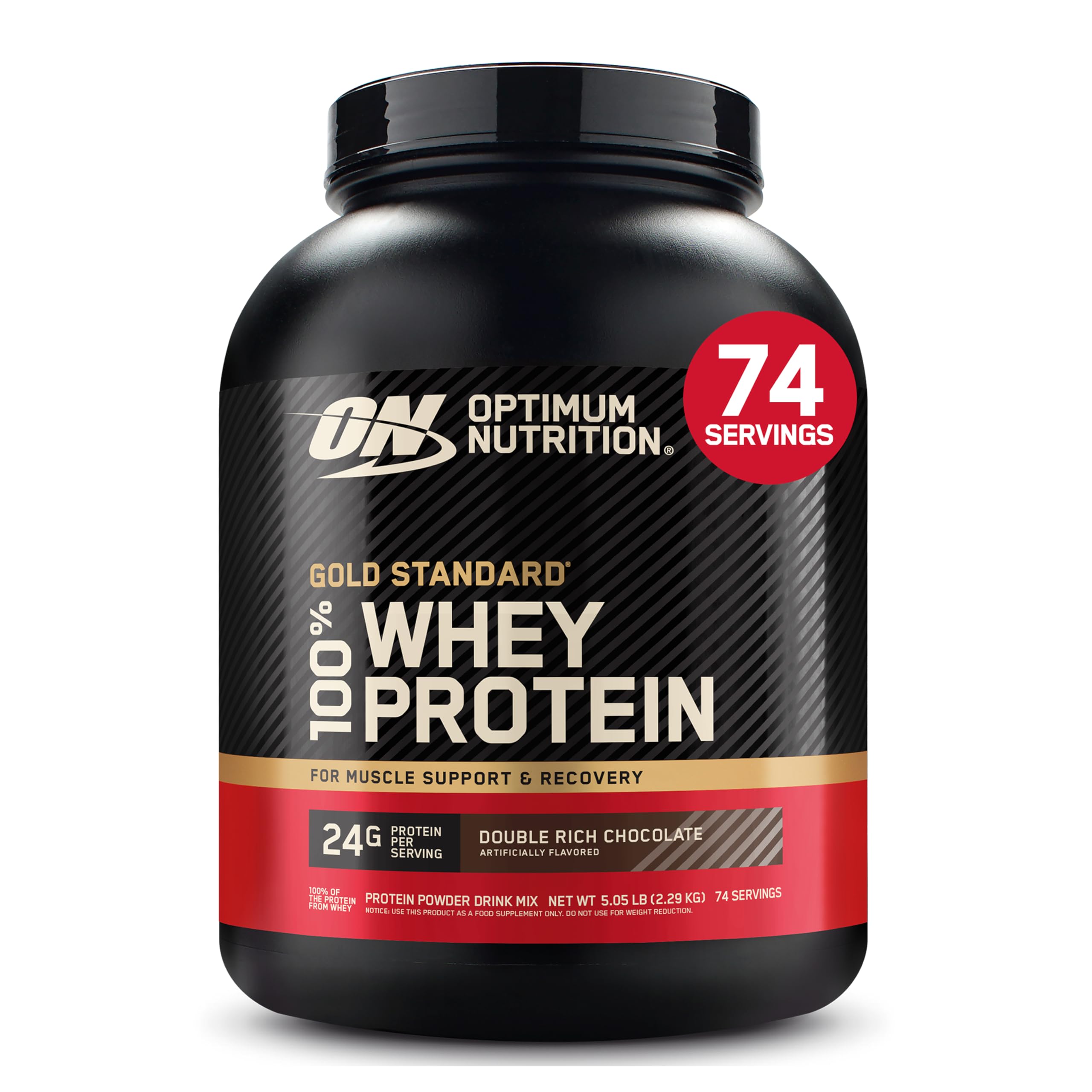
Optimum Nutrition
Optimum Nutrition Gold Standard 100% Whey, Double Rich Chocolate
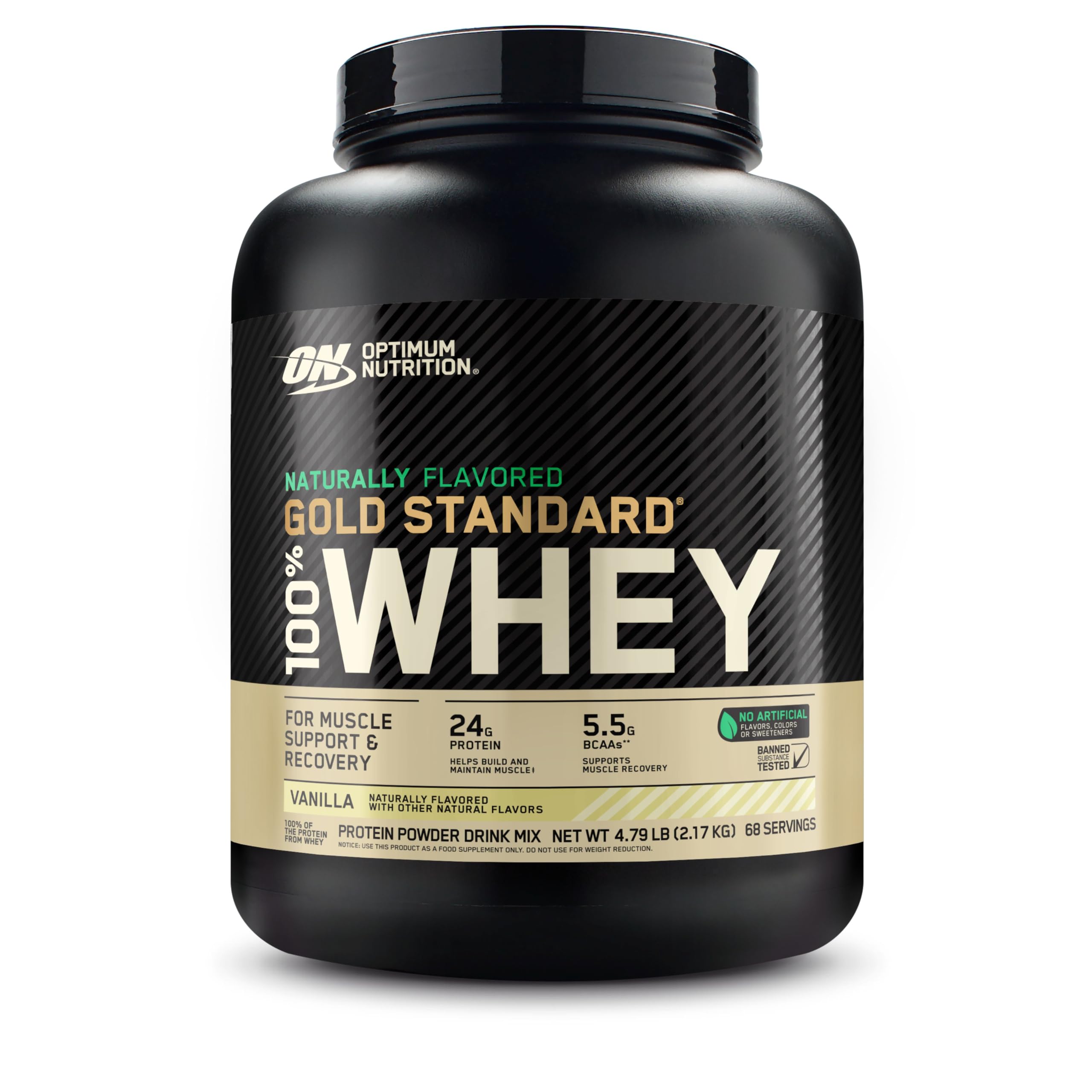
Optimum Nutrition
Optimum Nutrition Gold Standard Whey, Vanilla, 5 lb
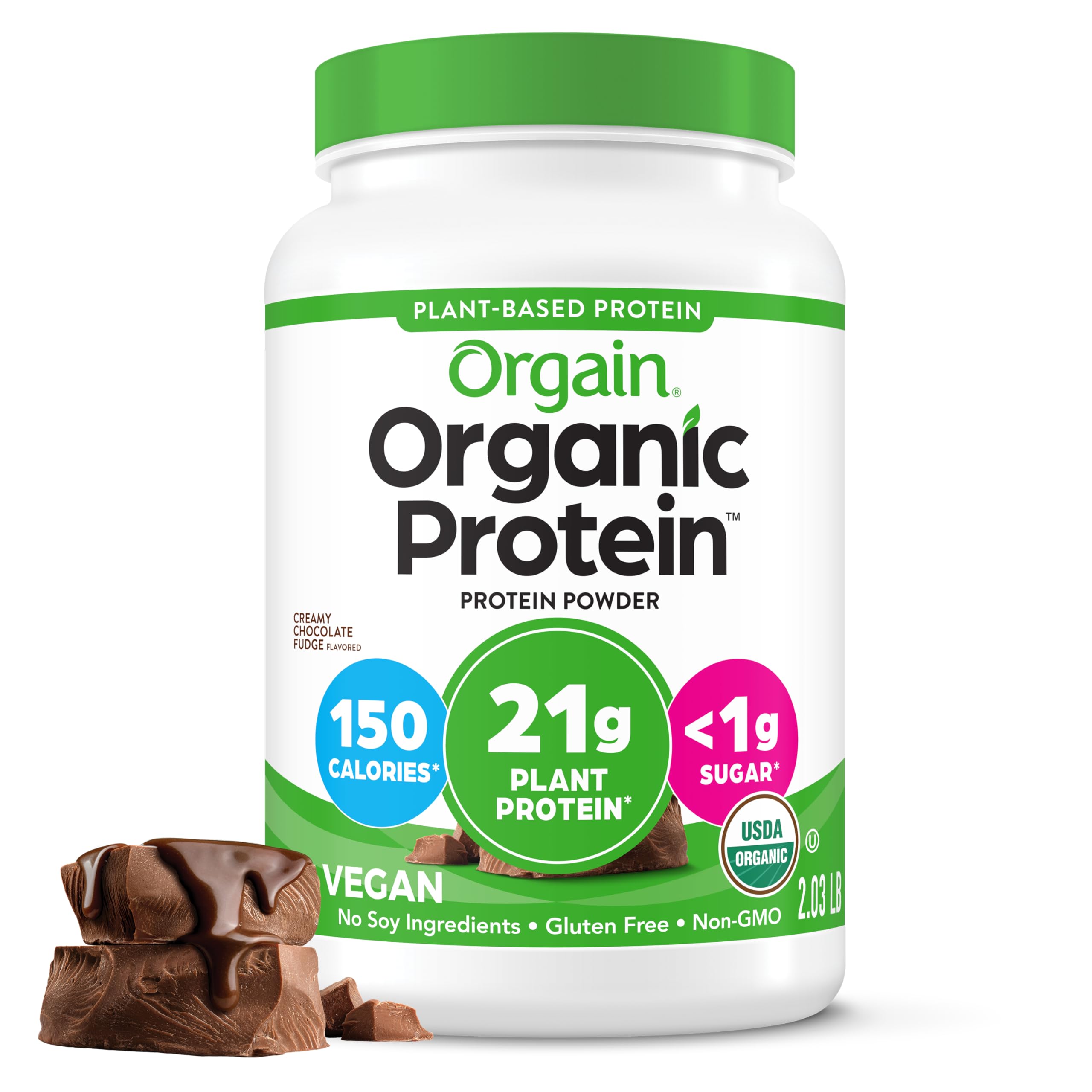
Orgain
Orgain Organic Vegan Protein, Creamy Chocolate Fudge

Optimum Nutrition
Optimum Nutrition Micronized Creatine Monohydrate, Unflavored
As an Amazon Associate I earn from qualifying purchases.
How the calculators work, and how to use the numbers
Every calculator on this page runs on a published formula, which keeps the results consistent and lets you see where each number came from. A formula describes an average, though, and your own body will respond to training and diet in its own way. Treat the numbers as a starting point. Track what actually happens over a few weeks, then adjust from there.
One-rep max (1RM)
Testing a true one-rep max is risky, and it wears you out. Estimating it from a submaximal set gets you a usable number without either cost. Two common equations are Epley and Brzycki. Epley takes the weight lifted and multiplies it by one plus the number of reps divided by 30. These equations hold up best for sets of roughly 2 to 10 reps taken close to failure. Past that range the estimates spread out a lot, and they also vary from one exercise to the next and from one lifter to another. An estimated 1RM is most useful for choosing training loads set as a percentage of max, such as 70 to 85 percent for typical hypertrophy work.
Calories and macros
The macro calculator estimates resting energy expenditure with the Mifflin-St Jeor equation, published in 1990, using your weight, height, age and sex. Multiply that by an activity factor and you get an estimate of total daily energy expenditure, or TDEE. Studies that compare prediction equations have found Mifflin-St Jeor among the more accurate for many adults. Even so, individual errors of 10 percent or more are common. The activity multiplier adds its own error on top of that, because most people overestimate how active they are.
If the goal is muscle gain, a small surplus of roughly 5 to 10 percent above maintenance keeps fat gain in check for many lifters. If the goal is fat loss, a moderate deficit helps you hold on to muscle, and that often works out to around 0.5 to 1 percent of body weight per week. Give any change two to three weeks. If your weight still is not moving the way you expected by then, adjust calories by 100 to 200 a day instead of making large jumps.
Protein
In 2018, Morton and colleagues published a meta-analysis in the British Journal of Sports Medicine. They found that gains in muscle mass from resistance training plateaued at around 1.6 grams of protein per kilogram of body weight per day, and that some people benefited from intakes up to about 2.2 g/kg. The International Society of Sports Nutrition puts the range at 1.4 to 2.0 g/kg for most people who exercise. In practice, spreading your protein across three to five meals works well.
Body fat estimates
Tape-measure methods, the US Navy formula among them, estimate body fat from circumference measurements. They are convenient and easy to repeat, but for any one person they can be several percentage points off. That is why the trend matters more than a single reading. Measure the same way every time and watch how the numbers move over time.
Safety
Check with a doctor before you start an intense program or an aggressive diet if you have a medical condition, are pregnant, or are new to exercise. Very low calorie diets should only be followed under a doctor's supervision.
Sources: Morton et al. (2018), Protein supplementation and resistance training, BJSM; ISSN position stand: Protein and exercise; Mifflin et al. (1990), A new predictive equation for resting energy expenditure; ACSM: Resistance training guidelines.