
Evidence-Based · Drug-Free · No Bro-Science
BUILDSMARTER.LIFTHARDER.
Practical training tools, educational guides, and daily tips for lifters who want to make informed decisions.

"THE DIFFERENCE IS PRECISION."

Today's Pro Tip
YOUR DAILY EDGE
Progressive overload means gradually adjusting training demands over time. Consider changes in performance, recovery, and technique before changing load, repetitions, or volume.
FOUR PILLARS OF MASTERY
Every article, guide, and tool on this site falls under one of these four disciplines.

STRENGTH
Powerlifting, 1RM peaks, and progressive overload frameworks.

HYPERTROPHY
Volume landmarks, exercise selection, and muscle-building science.
NUTRITION
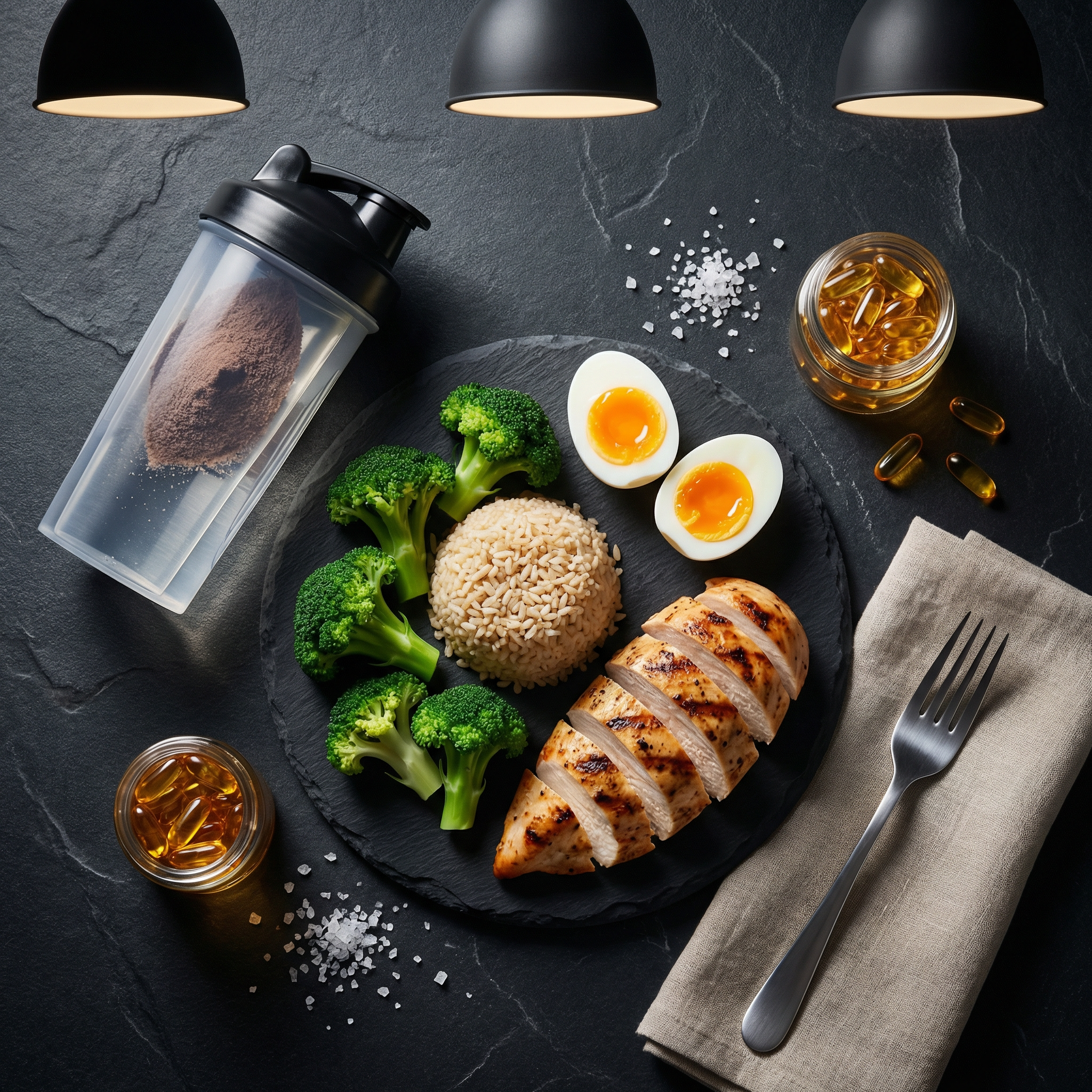
Macros, meal timing, cutting, bulking, and supplement stacks.
RECOVERY
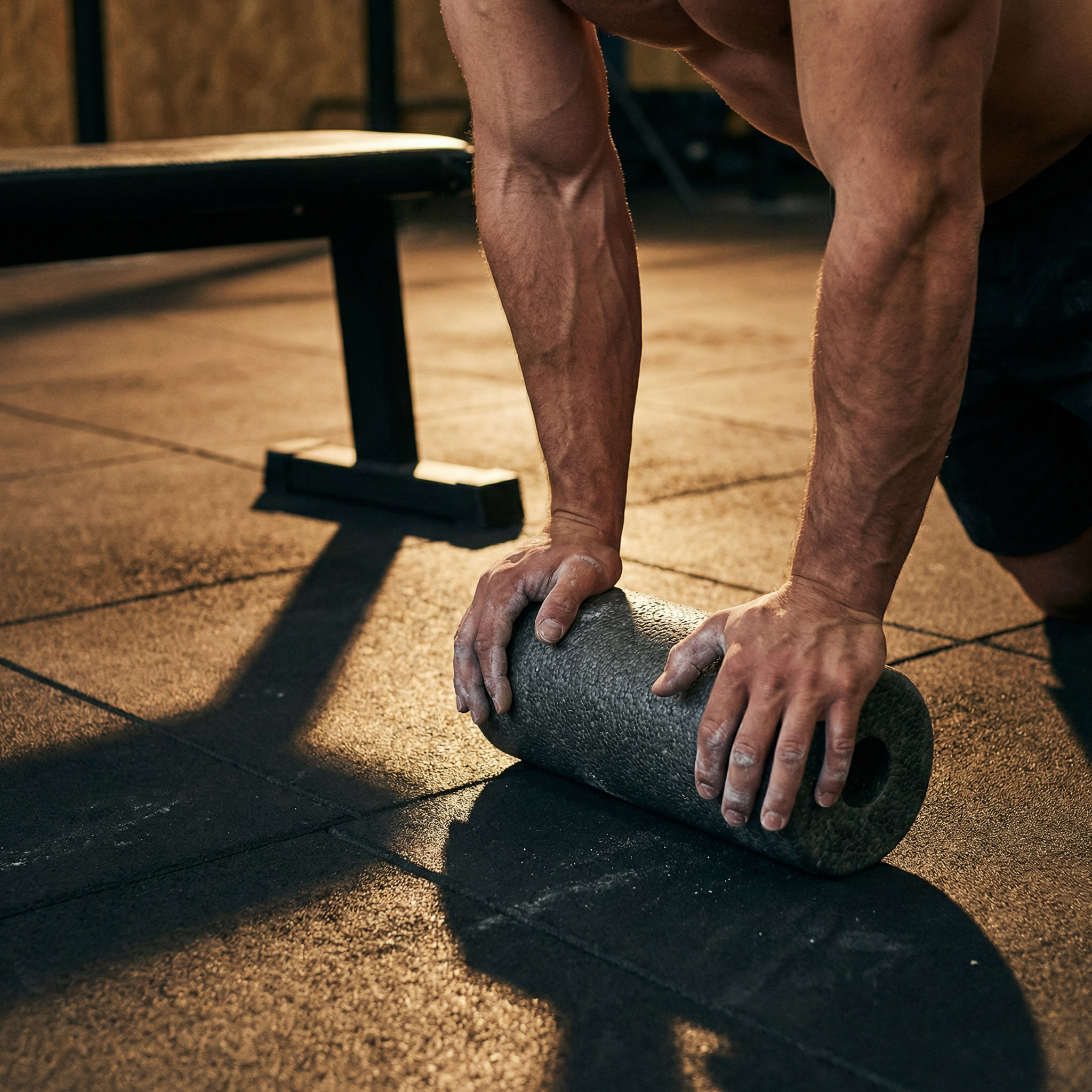
Sleep habits, deload planning, and movement-preparation concepts.
FREE PRECISION TOOLS

PREMIUM GUIDES FOR SERIOUS ATHLETES
Browse Premium Guides →WHERE TO START
If you're new to lifting, the honest answer is that the program matters less than showing up for it. Pick a plan built around a handful of compound lifts (a squat, a hinge like the deadlift, a press and a row or pull-up), train each muscle group about twice a week, and add a little weight or a rep when the last set felt like it had a couple more reps left in it. That's progressive overload, and it does most of the work for the first year or two.
Most people who stall aren't missing a secret exercise. They're under-eating protein, sleeping six hours, or changing programs every three weeks. Our nutrition guides walk through setting a calorie target and a protein number you can actually hit, and the macro calculator does the arithmetic from your height, weight, age and activity. Treat its output as a starting point, then adjust based on what the scale and the mirror do over two or three weeks, not two or three days.
For lifters who've been at it a while, the hypertrophy and strength sections get more specific: weekly set volume, rep ranges, exercise selection for lagging body parts, and when a deload makes sense. The 1RM calculator estimates your max from a working set so you can program percentages without testing a true single. The body fat estimator uses the US Navy tape-measure method, which is rough but consistent, and consistency is what you need to track a cut or a bulk.
Supplements get their own page because the marketing outruns the evidence. Creatine monohydrate, caffeine and protein powder have solid research behind them. Most of what else is on the shelf doesn't. The supplement checker flags common overlaps and interactions in a stack, but it's no substitute for asking a doctor or pharmacist, especially if you take prescription medication.
Everything here is drug-free and written for general education. It isn't medical advice. If you have an injury, a heart condition or anything else that makes hard training risky, get cleared first, and stop any lift that causes sharp pain rather than effort.