Bodybuilding Calculators
Science-backed calculators for strength athletes and bodybuilders. No email required: all calculations run instantly in your browser.

1RM Calculator
Estimate your one-rep max from any submaximal lift
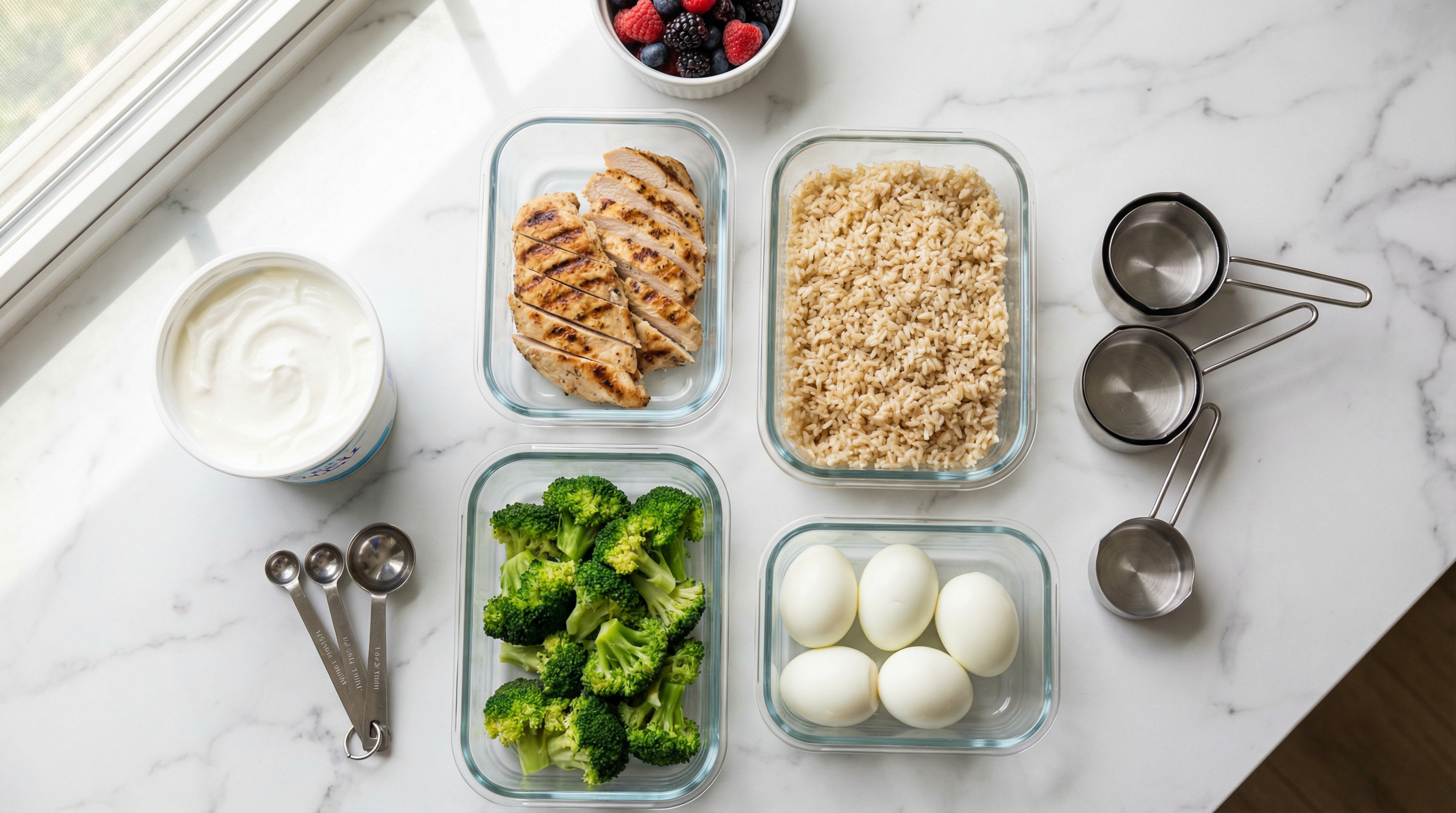
Macro Calculator
Get your daily calorie and macro targets

Body Fat Calculator
Estimate body fat % using the US Navy method
Supplement Stack
Estimate your one-rep maximum from a submaximal lift. Use 3 to 10 reps for best accuracy.
About These Calculators
The 1RM calculator uses three published formulas: Epley, Brzycki, and Lombardi. For best accuracy, use a weight you can lift for 3 to 10 reps with good form. The resulting percentages help you structure your training zones for strength, hypertrophy, and endurance.
Based on the Mifflin-St Jeor equation, which comparison studies have found among the more accurate for many adults. Protein is set at 2.2 g/kg of body weight, the upper end of the range in a 2018 meta-analysis by Morton and colleagues. Fat is set at 25% of calories, with carbohydrates filling the remainder.
The US Navy circumference method is an easy, repeatable way to estimate body fat, though for any one person it can be several percentage points off. For best results, measure in the morning before eating, and take measurements at the same time each week to track trends.
Choosing and interpreting the right calculator
Each calculator answers one specific question. The 1RM calculator estimates your strength ceiling from a working set, so you can program your training percentages. The macro calculator estimates how many calories you need each day and splits them into protein, carbohydrate and fat. The body fat calculator estimates body composition from tape measurements. They all run in your browser without asking for an email, and each one is based on a published formula.
Why estimates differ from reality
Formulas are built from groups of people, so they describe averages. Your muscle mass, genetics, sleep, how much you move outside the gym, and plain measurement error all push your own results up or down. A calorie target might be 10 percent off. A 1RM estimate taken from a set of 12 can land well away from your true max. Tape-measure body fat may differ from a DEXA scan by several points. The tools are still useful. Treat their output as a first guess, and let your own data fill in the rest over the following weeks.
A practical feedback loop
- Weigh yourself several mornings a week under the same conditions. Compare weekly averages, not single days.
- Log your main lifts. When weights and reps are climbing, your training and recovery are doing their job.
- Take the same body measurements every two to four weeks.
- If the trend still is not what you want after two to three weeks, adjust calories by a small amount, about 100 to 200 a day.
Protein and carbohydrate targets
For most lifters, the research supports a protein intake of about 1.6 g per kilogram of body weight per day, with some benefit possible up to around 2.2 g/kg. Carbohydrate is what fuels hard training. Once protein and a moderate fat intake are set, the calories left over usually go to carbohydrate. Dropping fat below about 20 percent of calories is hard to keep up for long, and in some people it may affect hormone levels.
Training loads
With an estimated 1RM in hand, typical hypertrophy work sits around 65 to 85 percent of max for sets of about 6 to 15 reps. Research also shows muscle can grow across a wide range of loads, as long as the sets are taken close to failure. Strength-focused work goes the other direction, with heavier loads for fewer reps.
When to get professional help
A calculator has limits. A registered dietitian can tailor your nutrition around health conditions. A qualified coach or physiotherapist can help with technique, work around your injury history, and set up your programming.
Sources: Morton et al. (2018), BJSM; Schoenfeld et al. (2017), Strength and hypertrophy adaptations between low- vs high-load resistance training; Academy of Nutrition and Dietetics: Find a nutrition expert.