
Today's Pro Tip
One evidence-based tip, every day. No bro-science. No filler.
Training
"Progressive overload is the single most important principle in bodybuilding. Add weight, reps, or sets every week, even if the step up is a small one."

"CONSISTENCY BEATS INTENSITY. EVERY TIME."
TIP ARCHIVE
Training
Progressive overload means the training stress has to keep rising over time if you want to keep adapting. When your current sets look clean, add a rep, a set, or a little load, and when they do not, repeat the week. Small steps over months beat forcing a jump every week.
Nutrition
The ISSN protein position stand suggests spreading protein across the day in servings of about 20 to 40 g, roughly every 3 to 4 hours. Hitting your daily total matters more than exact timing, but splitting it up beats saving most of it for dinner.
Recovery
The AASM and Sleep Research Society recommend 7 or more hours of sleep a night for adults. Short nights on a regular basis are linked with worse performance, so protect your sleep before you blame the program.
Training
Some studies have found that focusing on the muscle you are working during a set increases its measured EMG activity. Slow down your reps, feel the contraction, and stop treating sets as a race to finish.
Supplements
Creatine monohydrate is one of the most researched supplements in sports nutrition. 3 to 5 g a day works without a loading phase. It raises phosphocreatine stores in muscle, which helps regenerate ATP during short, hard efforts.
Recovery
When your main lifts stall for a couple of weeks and your sleep or joints are complaining too, try an easier week. Keep the same exercises and cut back the hard sets or the load. It is a programming choice, not a guaranteed jump in strength.
Training
The best training split is the one you will actually follow consistently. A 3-day full-body routine you keep for two years will usually do more for you than a 6-day program you abandon after six weeks.
Gear & Supplements to Fuel Your Training

Optimum Nutrition
Optimum Nutrition Gold Standard 100% Whey, Double Rich Chocolate

Optimum Nutrition
Optimum Nutrition Gold Standard Whey, Vanilla, 5 lb
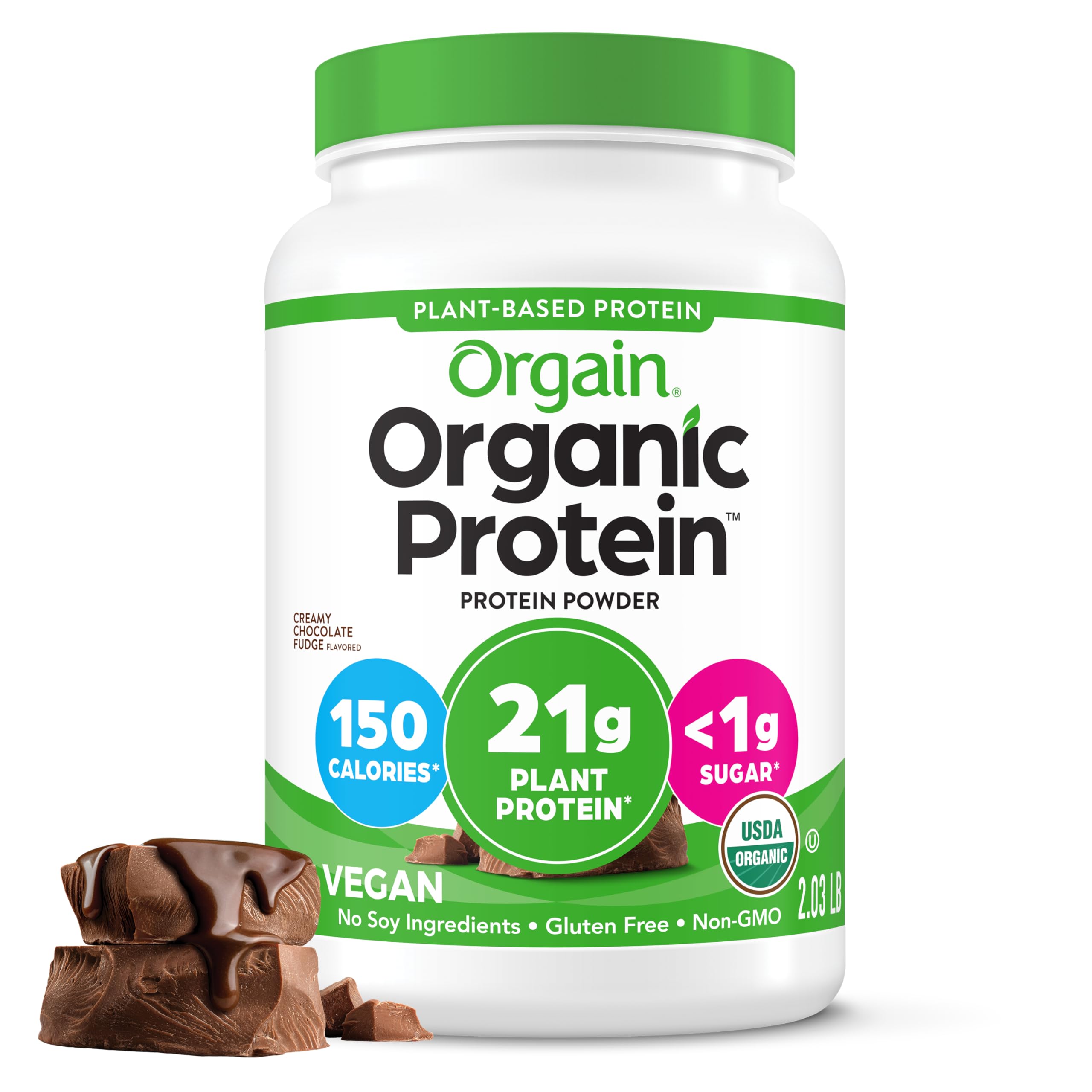
Orgain
Orgain Organic Vegan Protein, Creamy Chocolate Fudge

Optimum Nutrition
Optimum Nutrition Micronized Creatine Monohydrate, Unflavored
As an Amazon Associate I earn from qualifying purchases.
WANT THE FULL SCIENCE?
Each tip links to a deeper article. Browse the full blog for evidence-based deep dives on every topic.
The principles behind the daily tips
Every daily tip boils one idea from the training and nutrition research down to a few lines. Most of them trace back to a small set of principles with strong research support, and those principles apply to nearly every drug-free lifter.
Progressive overload
Muscles adapt to whatever demands you put on them. To keep making progress, the challenge has to rise gradually. You can add weight, reps or sets, or you can improve your technique and range of motion. The American College of Sports Medicine's position stand on resistance training names progressive overload as a core principle.
Enough hard sets
In a 2017 meta-analysis, Schoenfeld and colleagues found a dose-response relationship between weekly sets per muscle group and muscle growth. Around 10 or more weekly sets were associated with greater gains than fewer than 5. Volume has a ceiling, though. Recovery limits how much of it you can actually benefit from.
Protein and calories
For most lifters, a protein intake of roughly 1.6 g per kilogram of body weight per day supports muscle growth. Calories matter here too. Eating in a surplus makes gaining muscle easier. A deficit is what makes fat loss possible, but it also slows muscle growth.
Sleep and recovery
According to the American Academy of Sleep Medicine, adults generally need at least seven hours of sleep a night. Poor sleep is linked to worse recovery, worse performance and weaker appetite control.
Consistency
Months and years of steady training matter more than any single program, supplement or technique. Most of the tips are simply ways to make it easier to stay consistent over the long run.
Sources: ACSM position stand: Progression models in resistance training; Schoenfeld et al. (2017), Dose-response relationship between weekly volume and muscle mass; AASM: Sleep recommendations for adults.